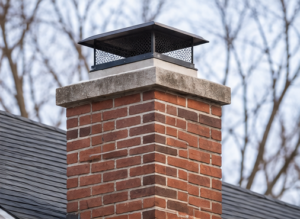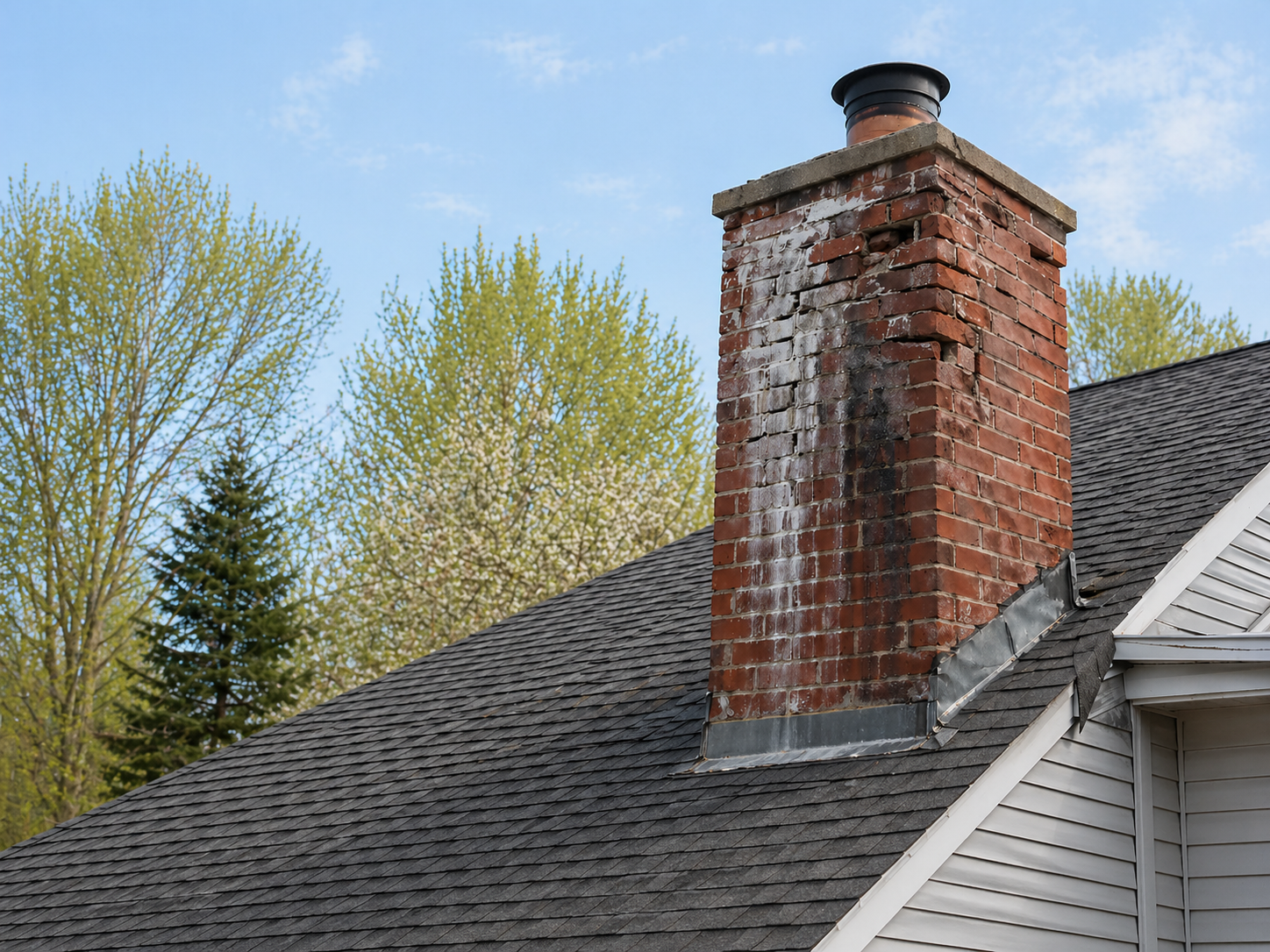
Minnesota winters are tough on more than just your furnace. Your chimney takes a beating too.
When temperatures move above and below freezing, moisture inside the masonry expands and contracts. Over time, that freeze-thaw cycle can create damage that is easy to miss during winter, but much easier to spot once spring arrives.
Here are a few warning signs to watch for:
Cracked or crumbling mortar
Freeze-thaw cycles can weaken the mortar between bricks, causing it to crack, loosen, or fall away.
Freeze-thaw cycles can weaken the mortar between bricks, causing it to crack, loosen, or fall away.
Loose or shifting bricks
When water gets into the masonry, bricks can start to move slightly. Over time, that can affect the chimney’s stability.
When water gets into the masonry, bricks can start to move slightly. Over time, that can affect the chimney’s stability.
White staining
That chalky white residue, called efflorescence, is often a sign that moisture is moving through your chimney.
That chalky white residue, called efflorescence, is often a sign that moisture is moving through your chimney.
Spalling bricks
If water freezes inside the brick, the surface can begin to flake, chip, or break apart.
If water freezes inside the brick, the surface can begin to flake, chip, or break apart.
Catching these issues early can help you avoid bigger, more expensive repairs later on.
At Chimney Doctors, we help homeowners find winter chimney damage before it becomes a serious structural problem. Because what winter starts, spring often reveals.