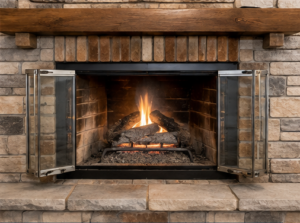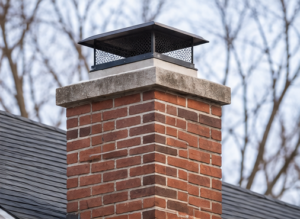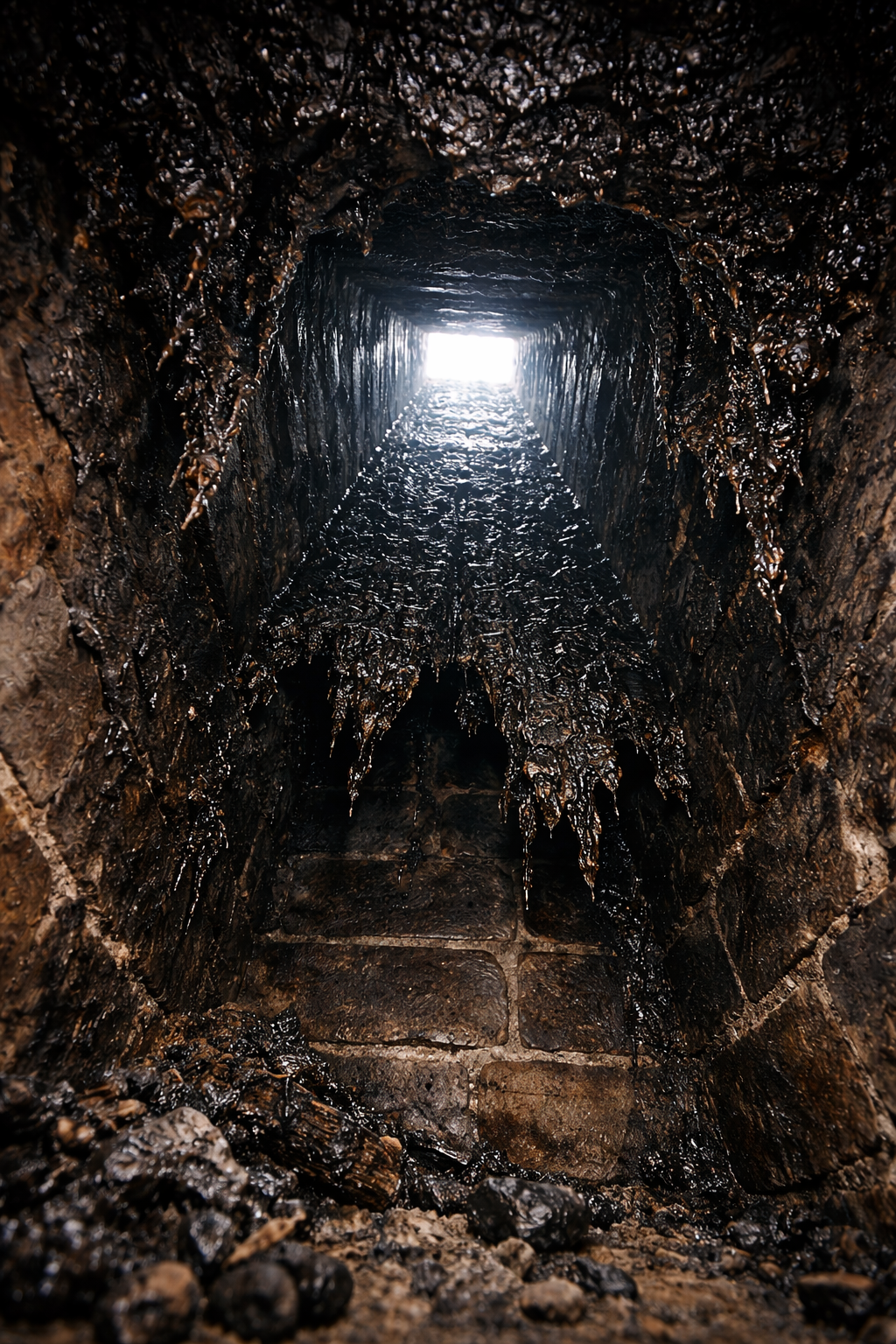
Creosote is a dark, sticky residue that forms when wood doesn’t burn completely. Each time you light a fire, tiny particles and vapors travel up the chimney. As they cool, they condense and stick to the flue walls. Over time, those layers build up and can create a serious safety risk.
Why is creosote dangerous?
Creosote is highly flammable. If it ignites, it can trigger a chimney fire that burns at extremely high temperatures, potentially damaging the chimney and spread to other areas of the home. It can also restrict airflow, leading to smoke backup and poor fireplace efficiency.
There are three main forms of creosote:
• Light, powdery soot
• Flaky or crunchy deposits
• Thick, glossy buildup (the most hazardous and difficult to remove)
How creosote removal works:
Professional chimney sweeping uses specialized brushes and tools designed to match your chimney’s size and material. For heavier buildup, additional equipment or chemical treatments may be required. A thorough inspection ensures the flue is fully cleared and safe to use.
At Chimney Doctors, we prioritize complete removal and long-term prevention, not just a surface-level cleaning. We take a whole-system approach to safety, ventilation, and comfort.
Creosote may be common, but it should never be ignored. If you burn wood regularly, staying ahead of buildup is one of the simplest ways to protect your home.