
How to Tell If Your Chimney Liner Is Damaged After a Long Minnesota Winter
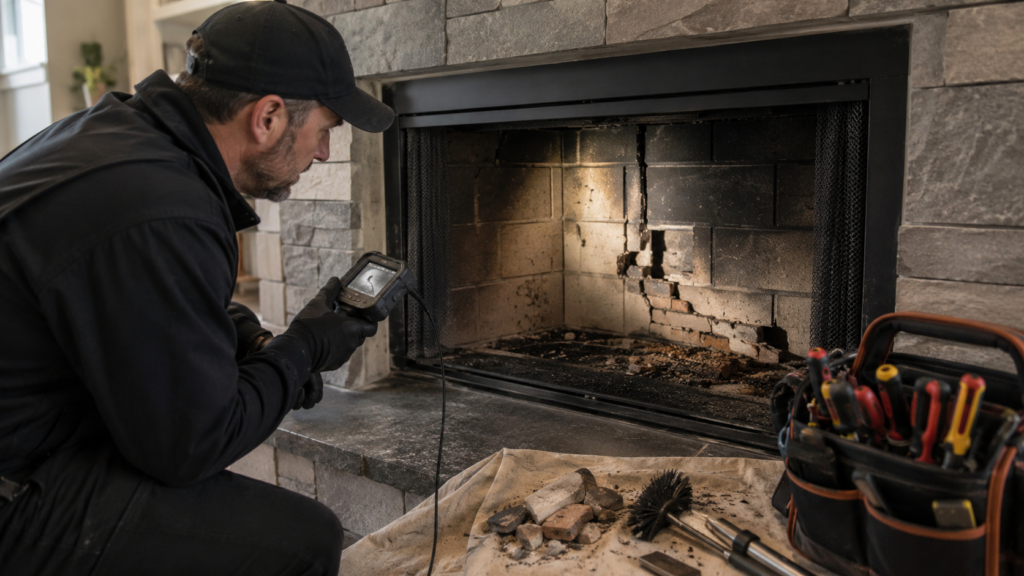
Your chimney liner plays a critical role in protecting your home from heat, smoke, and combustion gases. But after a long Minnesota winter, liners can develop damage that homeowners rarely see on their own. Here are some warning signs to watch for: Pieces of tile or debris in the fireplaceFragments inside the firebox can indicate […]
Buying or Selling a Home in Minnesota? Don’t Skip the Chimney Inspection
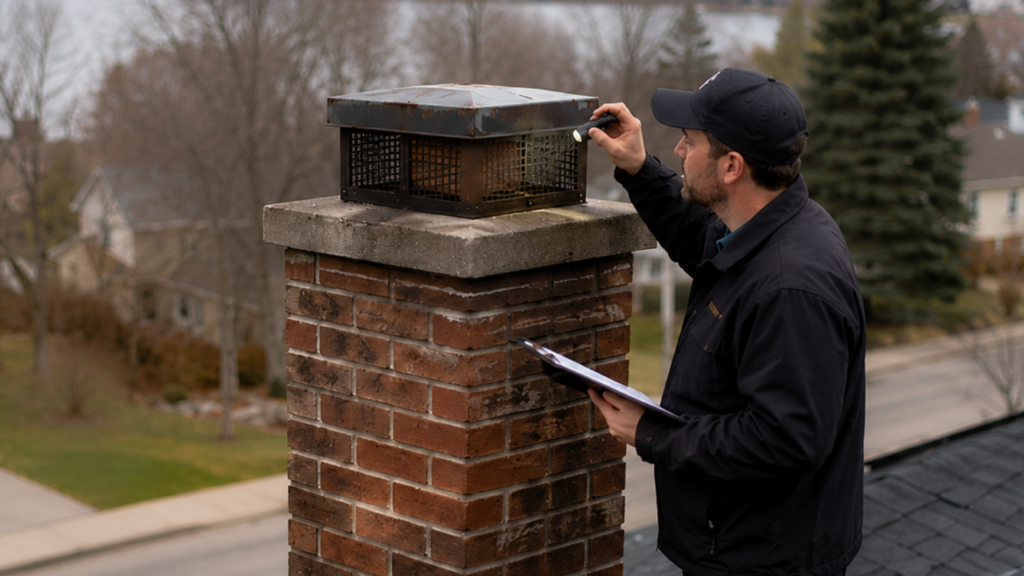
When buying or selling a home, attention usually goes to roofs, foundations, and HVAC systems. But chimneys are often overlooked, despite being one of the most important safety structures in the home. A professional chimney inspection can uncover problems that aren’t visible during a basic walkthrough. Common issues include: Cracked flue linersDamaged liners can create […]
Why May Is the Smart Time to Repair Chimney Masonry Before Minnesota Summer Storms
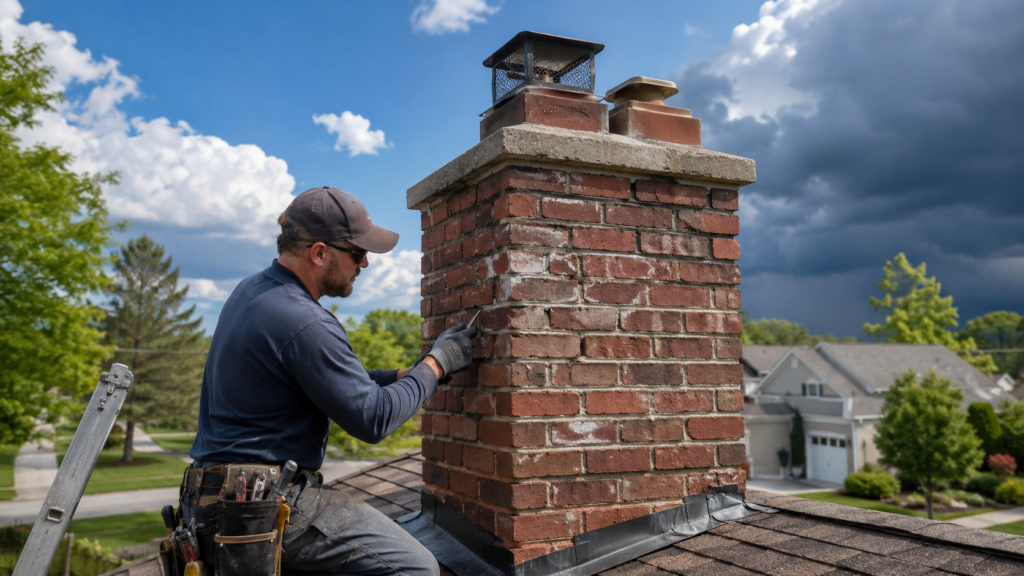
Winter may be over, but the stress it puts on your chimney doesn’t disappear when the snow melts. In fact, spring is often when hidden masonry damage begins to show itself. That’s why May is one of the smartest times to schedule chimney repairs. Minnesota’s freeze-thaw cycles can create cracks in brick and mortar throughout […]
How Spring Rain Can Reveal Chimney Leaks and Water Damage
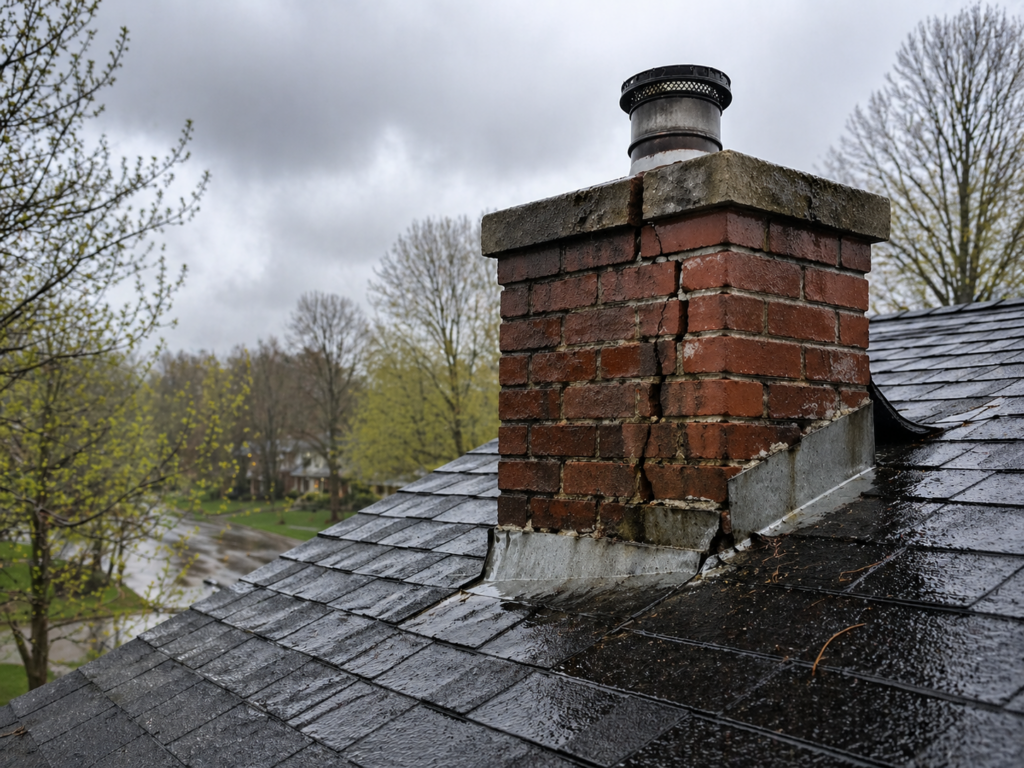
Spring rain has a way of bringing hidden chimney problems to the surface. After months of snow, ice, and freezing temperatures, your chimney may have small cracks, gaps, or worn areas that weren’t obvious during the winter. Once the rain starts, those weak spots can quickly turn into leaks. Here are a few signs to watch for: Water […]
Why Animals Start Nesting in Chimneys in Spring and How to Prevent It
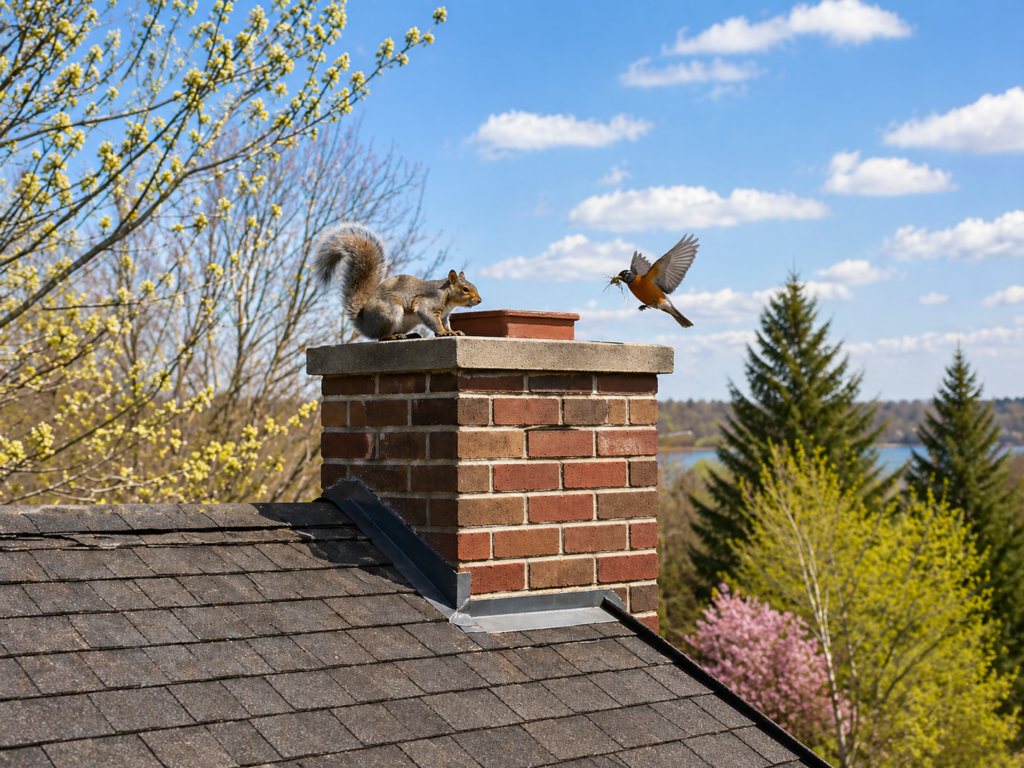
As temperatures warm up, your chimney can start to look like a great place to move in, especially for local wildlife. Birds, squirrels, and other small animals often look for safe, sheltered spots to nest in the spring, and an open chimney can be very inviting. Unfortunately, what feels cozy for them can create problems for […]
Freeze-Thaw Chimney Damage in Minnesota: What Homeowners Should Look for This Spring
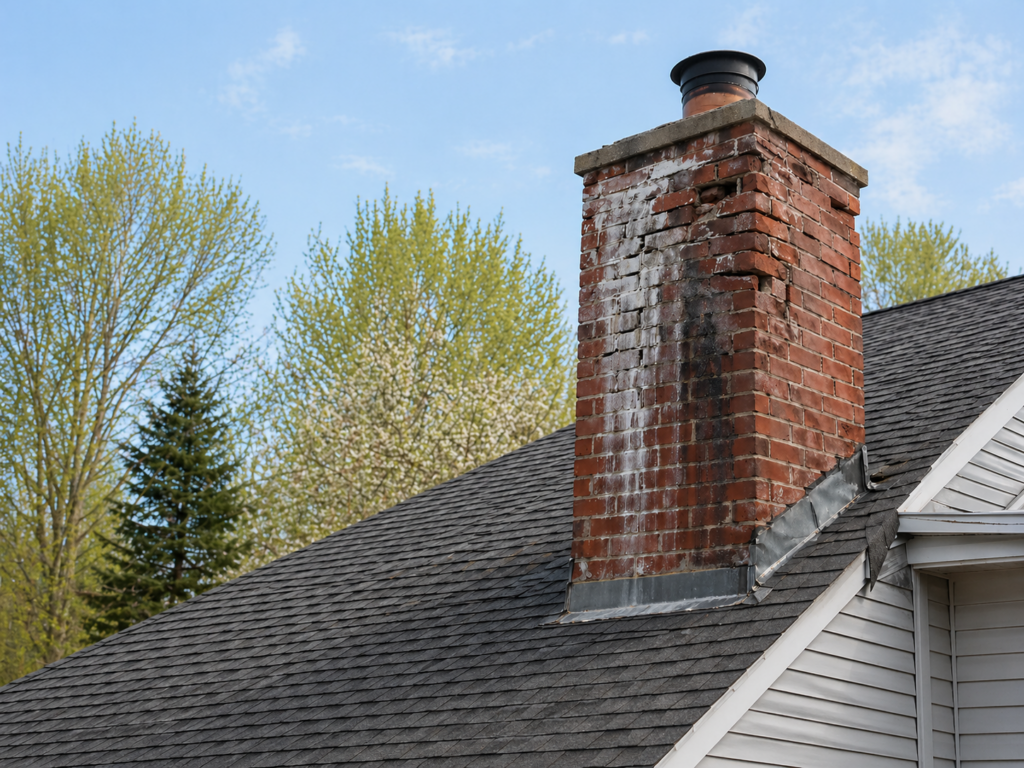
Minnesota winters are tough on more than just your furnace. Your chimney takes a beating too. When temperatures move above and below freezing, moisture inside the masonry expands and contracts. Over time, that freeze-thaw cycle can create damage that is easy to miss during winter, but much easier to spot once spring arrives. Here are a few […]
Why Your Fireplace Smells Worse in Spring
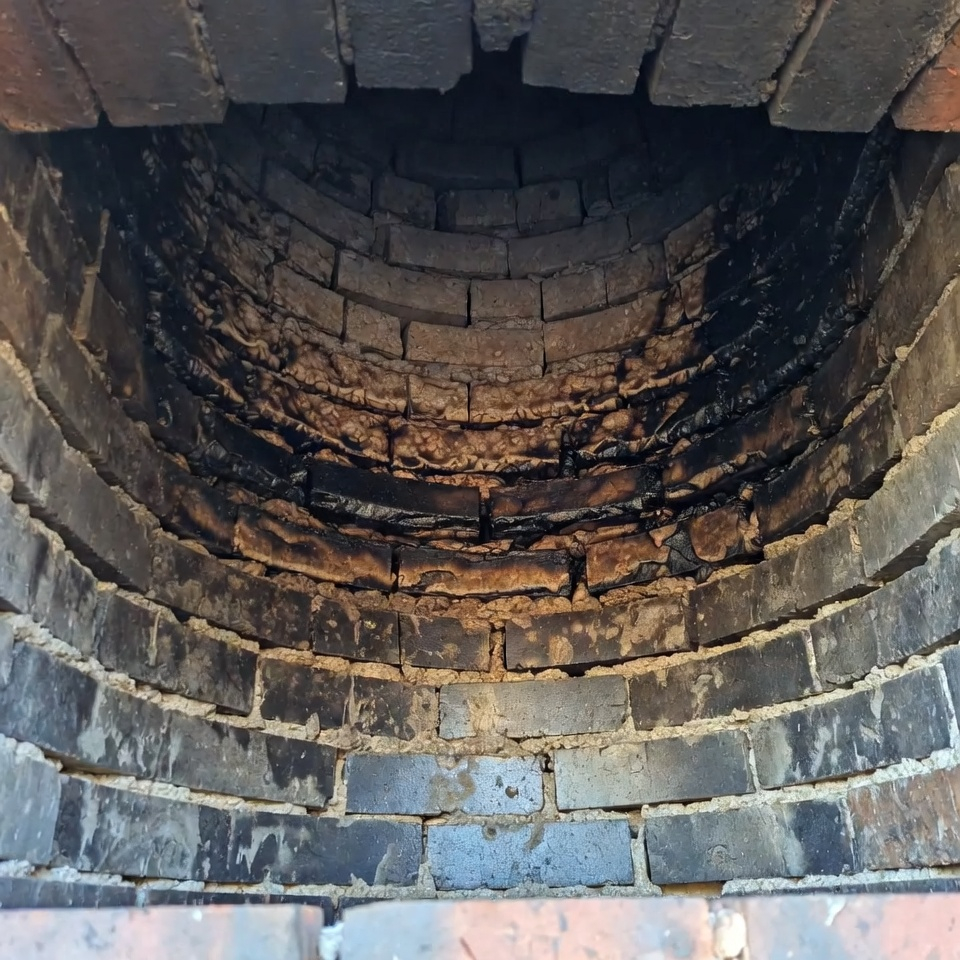
If your fireplace suddenly smells stronger in spring, you’re not imagining things. Seasonal changes often make chimney odors more noticeable. During winter, rising heat from fires carries smoke and odors up the chimney. In spring, when fireplaces are used less often, airflow changes and those odors can drift back into the home. Several factors contribute […]
5 Signs Snow and Ice Damaged Your Chimney This Winter
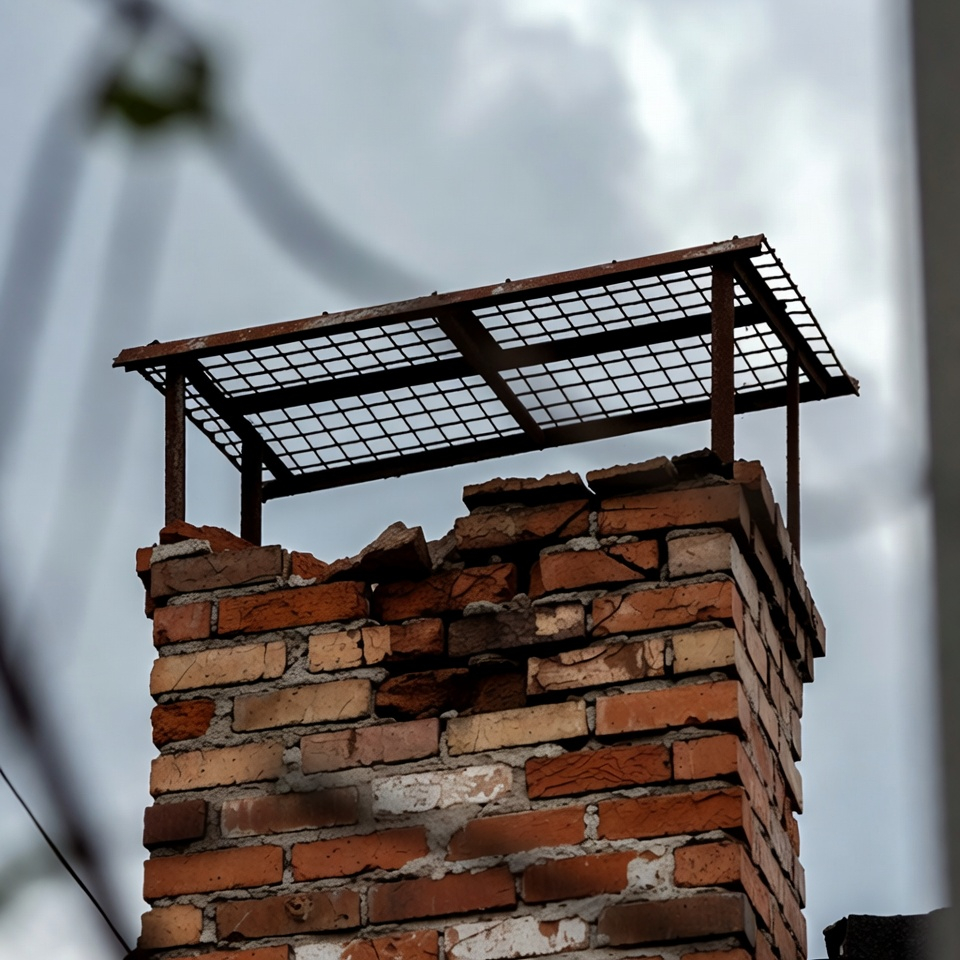
Minnesota winters are tough on chimneys. Months of snow, ice, and freezing temperatures can quietly cause damage that homeowners may not notice until much later. Here are five signs winter may have taken a toll on your chimney. Cracked or crumbling mortarFreeze-thaw cycles can weaken mortar joints, leading to small cracks or missing sections. Loose […]
Why Spring Is the Best Time for a Chimney Inspection in Minnesota
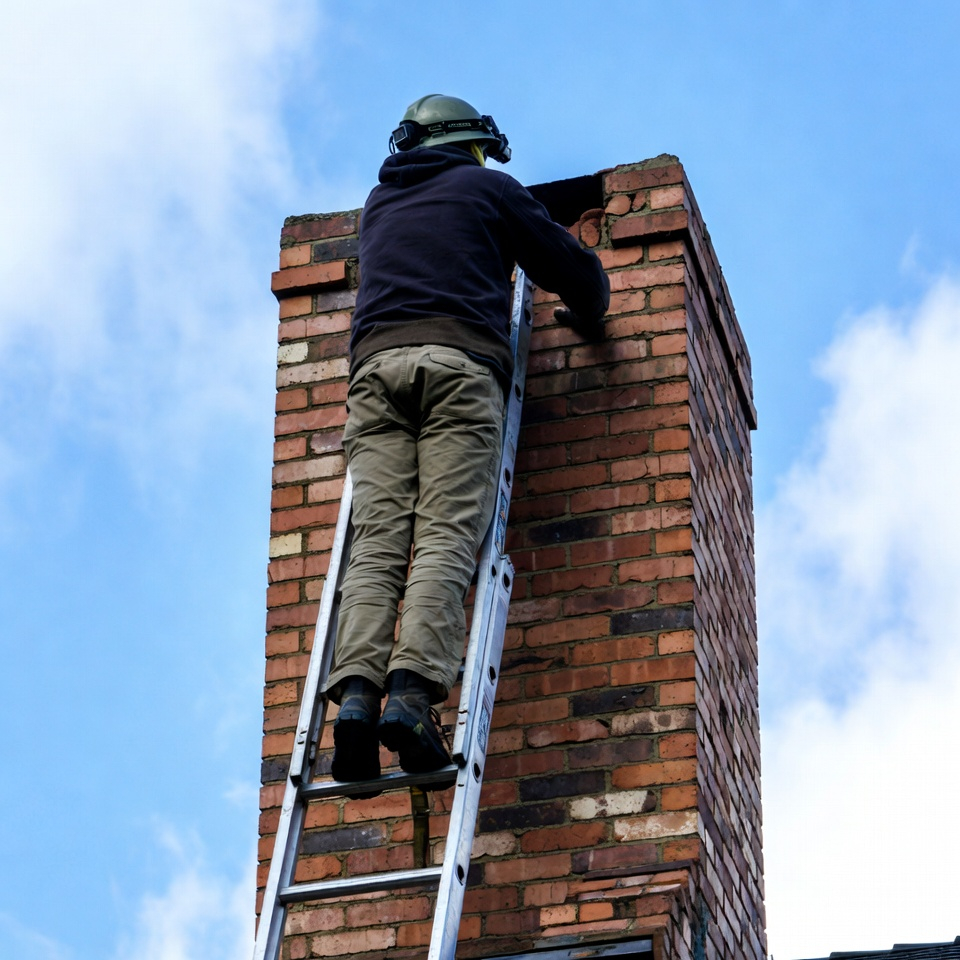
Once winter fades, most homeowners stop thinking about their fireplace. But spring is actually one of the best times to schedule a chimney inspection. During winter, your chimney works hard. Fires produce soot and creosote that build up inside the flue. At the same time, freezing temperatures, snow, and ice can put stress on masonry […]
Chimney Fire Warning Signs Homeowners Miss
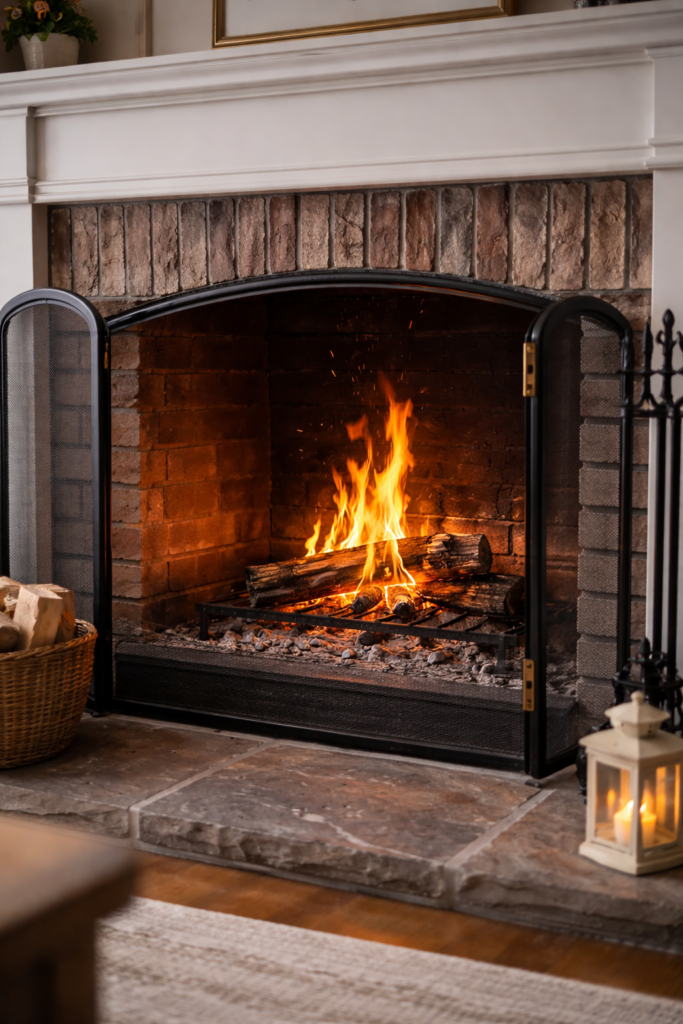
Chimney fires don’t always announce themselves with roaring flames and sparks. In fact, many are small, hidden, and easy to miss, which is what makes them so dangerous. One of the most common warning signs is loud cracking, popping, or snapping sounds coming from the chimney. These noises can indicate creosote igniting inside the flue. […]