Your fireplace may not be in use during July, but that does not mean you will forget it is there. Hot, humid weather can make chimney odors more noticeable, leaving a room smelling smoky, musty, damp, or unpleasant.
A fireplace should not create a strong odor throughout your home. If the smell becomes noticeable when the weather warms up, the chimney may contain creosote, moisture, debris, or an animal-related blockage.
Understanding the cause can help you determine whether the chimney needs cleaning, repair, or improved protection.
Why Do Chimney Odors Get Worse in Hot Weather?
Summer humidity can make soot and creosote odors stronger. Creosote is a residue produced when wood burns. It can collect inside the flue and carry a sharp, smoky smell.
Air movement also changes throughout the year. In some homes, air is pulled down the chimney and into the living space instead of moving upward and outside. This is sometimes called a downdraft or negative pressure problem.
Air conditioning, exhaust fans, tightly sealed windows, and other household systems can affect indoor air pressure. When air enters through a dirty chimney, it may carry fireplace odors into the room.
The hotter and more humid the day becomes, the more noticeable those odors may seem.
What Does a Smelly Fireplace Mean?
The type of smell may provide clues about what is happening.
A Smoky or Burnt Odor
A smoky smell is often connected to soot or creosote inside the chimney. The odor may become stronger during humid weather or when air moves downward through the flue.
Chimney sweeping can remove soot, creosote, and certain debris. However, the chimney should also be inspected to determine whether additional concerns are present.
A Damp or Musty Odor
A musty smell may indicate moisture inside the chimney or fireplace.
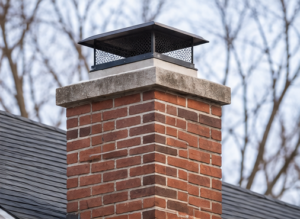
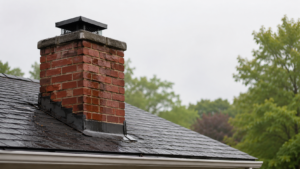
Rain may be entering through a damaged cap, cracked crown, deteriorated masonry, or faulty flashing. Damp leaves and nesting material can also create unpleasant odors.
Water inside the chimney can contribute to rust, staining, damaged masonry, and deterioration of fireplace components. A moisture problem should be evaluated rather than covered with air freshener.
A Decaying or Animal-Like Odor
Birds, squirrels, bats, raccoons, and other animals may enter a chimney that lacks a secure cap. They can bring nesting materials into the flue, create blockages, or become trapped.
Do not attempt to light a fire to force an animal out. This could harm the animal, push smoke into the home, or ignite nesting material.
Contact an appropriate professional to determine what is inside the chimney and how it should be removed.
A Chemical or Unusual Odor
Certain odors may come from cleaning products, damaged fireplace components, or problems with a gas fireplace or appliance.
If you smell gas, leave the area and contact the gas utility or emergency services from a safe location. Do not operate switches, light a flame, or attempt to diagnose a possible gas leak yourself.
Will Closing the Damper Stop the Smell?
Closing the damper may reduce some airflow from the chimney, but it may not completely stop the odor.
Older dampers do not always create an airtight seal. Gaps around the damper can still allow air and odors into the room.
A closed damper also does not correct the source of the smell. Creosote, water, nesting material, and chimney damage will remain until they are properly addressed.
The most effective solution is to identify why the chimney smells and correct the underlying issue.
How Can You Get Rid of Summer Fireplace Odors?
The right solution depends on the cause.
A professional chimney sweep may be recommended when soot and creosote are contributing to the smell. If water is entering the chimney, the cap, crown, flashing, and masonry may need attention.
Possible solutions may include:
- Professional chimney sweeping
- Removal of debris or nesting material
- Chimney cap installation or replacement
- Masonry or crown repair
- Chimney waterproofing
- Damper repair or replacement
- Evaluation of household air pressure
- Inspection of gas fireplace components
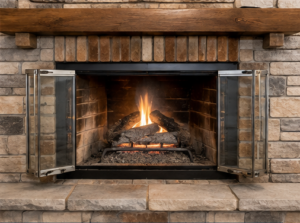
Cleaning the visible firebox may improve its appearance, but it will not remove buildup farther inside the chimney.
Can Air Conditioning Cause Fireplace Odors?
Air conditioning does not create chimney odors, but it can affect how air moves through the house.
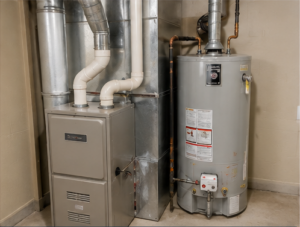
A cooling system, kitchen fan, bathroom fan, clothes dryer, or other appliance may contribute to negative indoor pressure. When the home needs replacement air, it may pull that air down the chimney.
If the chimney contains creosote or moisture, those odors can travel with the incoming air.
A chimney professional can inspect the system and help determine whether the smell is primarily related to buildup, water intrusion, airflow, or another issue.
Frequently Asked Questions About Summer Chimney Odors
Is a smoky fireplace smell dangerous?
A smoky odor may indicate creosote buildup or airflow problems. Creosote is combustible, so the chimney should be inspected and cleaned as needed before the next fire.
Can I use deodorizer inside the fireplace?
Deodorizers may temporarily cover the smell, but they will not remove creosote, moisture, debris, or animals. The source of the odor should be identified first.
Why does the fireplace smell worse after rain?
Rain and humidity can intensify odors from soot, creosote, damp masonry, leaves, and nesting materials. A stronger smell after rain may also indicate water intrusion.
Does every smelly chimney need to be swept?
Not necessarily. Sweeping may help when the odor comes from soot or creosote, but water leaks, animals, damaged components, and airflow issues may require different solutions.
Clear the Air This Summer
A strong fireplace odor is more than a minor summer annoyance. It may be a sign that the chimney needs cleaning, moisture protection, debris removal, or repair.
Chimney Doctors provides chimney inspections, sweeping, repairs, chimney cap services, and fireplace solutions throughout the Twin Cities. Schedule an appointment this July to identify the source of the odor and prepare your chimney for the next Minnesota heating season.