Minnesota summers can bring heavy rain, strong winds, and sudden thunderstorms. After a storm, some homeowners discover water near the fireplace, staining around the chimney, or dampness in the attic.
A leaking chimney should not be ignored. Even a small amount of water can damage masonry, ceilings, walls, insulation, and nearby building materials over time.
The first step is determining how the water is entering. Chimneys have several components that can allow moisture into the home when they become damaged, worn, or improperly installed.
What Are the Most Common Causes of a Chimney Leak?
Water near a chimney does not always enter through the same location. Several parts of the chimney system may need to be evaluated.
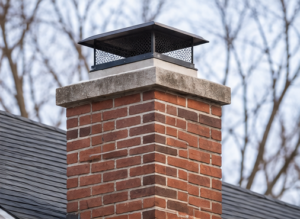
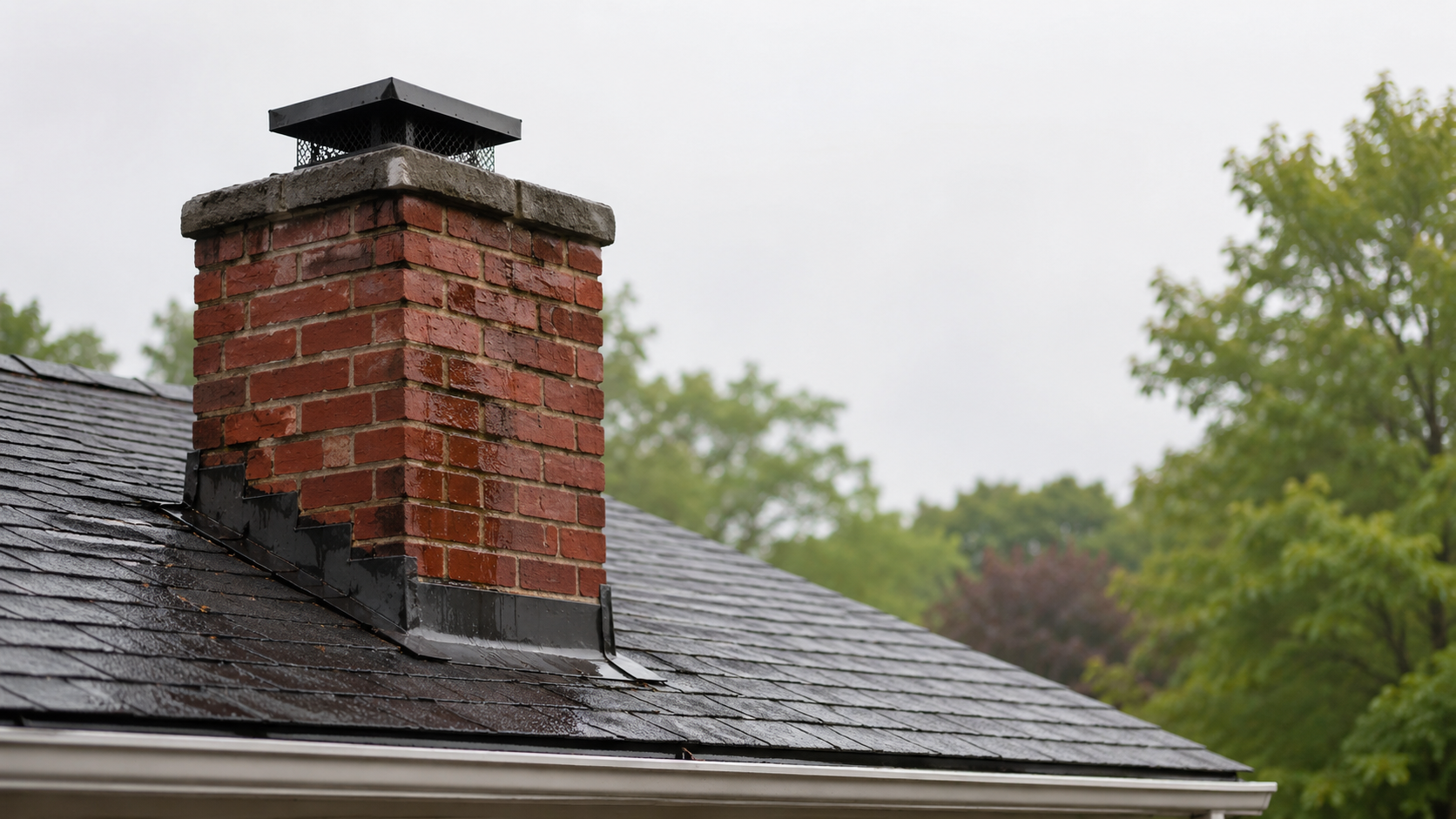
A Missing or Damaged Chimney Cap
The chimney cap sits above the flue opening and helps keep rain, debris, and animals from entering the chimney.
If the cap is missing, bent, rusted, loose, or too small, rain can fall directly into the flue. High winds may also push water beneath a damaged cap.
A properly fitted chimney cap provides important protection throughout the year.
Cracks in the Chimney Crown
The chimney crown is the masonry surface at the top of many chimneys. Its job is to direct water away from the flue and the chimney structure.
Over time, the crown may develop cracks from weather exposure, age, or repeated freezing and thawing. Water can enter these openings and move into the masonry below.
Small crown cracks may appear minor from the ground but can become more serious if moisture continues to enter.
Damaged Chimney Flashing
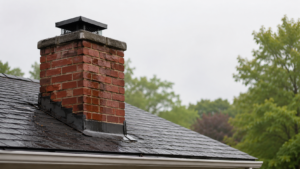
Flashing is installed where the chimney meets the roof. It helps create a watertight connection between the roofing material and the chimney.
Loose, corroded, missing, or improperly sealed flashing can allow rainwater to enter the roof system. The moisture may then travel along rafters or other building materials before it becomes visible inside.
Because water can move before it appears, the source of an interior stain may not be directly above the affected area.
Porous Brick and Mortar
Brick and mortar naturally absorb some moisture. As masonry ages, it may become increasingly vulnerable to water penetration, especially when mortar joints begin to crack or deteriorate.
Repeated moisture exposure can contribute to staining, crumbling mortar, loose bricks, and surface deterioration. Minnesota’s freeze and thaw cycles can make existing masonry damage worse.
Professional masonry repair or chimney waterproofing may be recommended depending on the condition of the chimney.
Condensation Inside the Chimney
Not all chimney moisture comes directly from rain. Condensation can form when warm, humid air meets a cooler surface inside the chimney.
This may be more noticeable during the summer when indoor and outdoor conditions change throughout the day. Venting problems, an improperly sized flue, or an unused chimney can also contribute to moisture concerns.
A chimney inspection can help distinguish between rainwater intrusion and condensation.
How Can You Tell If Your Chimney Is Leaking?
Some chimney leaks are obvious, while others develop gradually. Watch for the following signs:
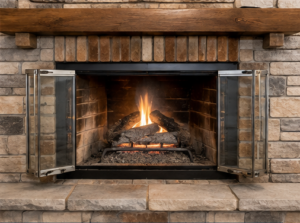
- Water inside the fireplace
- Damp or musty odors
- White staining on exterior masonry
- Brown stains on ceilings or walls
- Peeling paint or wallpaper near the chimney
- Dampness in the attic
- Crumbling mortar
- Rust on the damper or fireplace components
- Water sounds inside the chimney during rain
- Loose or flaking brick surfaces
Do not assume a stain is old simply because it dries after the storm. The next heavy rainfall may allow more water to enter.
Can You Repair a Chimney Leak Yourself?
Homeowners can safely perform a visual check from the ground, but climbing onto the roof can be dangerous. Chimney leaks can also be difficult to diagnose because multiple components may be involved.
Applying general caulk or sealant without finding the actual source may only hide the problem temporarily. Some products can also trap moisture inside masonry or fail under changing weather conditions.
A professional chimney technician can evaluate the cap, crown, flashing, brick, mortar, and interior chimney system. Once the source has been identified, the appropriate repair may include replacing the chimney cap, repairing the crown, correcting the flashing, repointing mortar joints, or applying a masonry water repellent.
Does Chimney Waterproofing Stop All Leaks?
Chimney waterproofing can help reduce the amount of rain absorbed by sound masonry. However, it does not replace structural repairs.
Cracked crowns, missing mortar, damaged flashing, and loose bricks should be repaired before a water-repellent treatment is applied.
A breathable product is generally preferred for masonry because it allows existing moisture vapor to escape while helping limit additional water absorption.
The correct solution depends on the chimney’s condition and the location of the leak.
Frequently Asked Questions About Chimney Leaks
Is water in the fireplace after rain normal?
No. Water inside the fireplace usually indicates a problem with the chimney cap, crown, flashing, masonry, or another part of the system.
Can a chimney leak damage the house?
Yes. Continued water entry can damage masonry, drywall, paint, ceilings, wood framing, insulation, and fireplace components.
Should I use my fireplace if the chimney is leaking?
It is best to have the chimney evaluated before using the fireplace. Moisture may have affected the liner, masonry, or other components that are important to safe operation.
Address Summer Chimney Leaks Before Winter
July rain can reveal chimney problems that may have gone unnoticed during drier weather. Finding and correcting the source now can help protect your home before freezing temperatures return.
Chimney Doctors provides professional chimney inspections, leak evaluations, chimney cap services, masonry repairs, and waterproofing solutions throughout the Twin Cities. If you notice water or staining near your chimney, schedule an inspection before the damage has an opportunity to spread.