Water may seem harmless, but it’s one of the most destructive forces affecting your chimney. Rain, snow, melting ice, and humidity constantly expose your chimney to moisture, gradually weakening masonry and creating problems that become increasingly expensive if left untreated.
At Chimney Doctors, we frequently see water damage that could have been prevented with routine inspections and maintenance. Understanding how moisture affects your chimney can help you protect your home and avoid unnecessary repairs.
1. Cracked Bricks and Mortar
Brick and mortar naturally absorb water. During Minnesota’s freeze-thaw cycles, that moisture freezes, expands, and creates additional pressure inside the masonry. Over time, small cracks become larger fractures that compromise the chimney’s structural integrity.
Regular inspections allow these minor issues to be repaired before they require extensive rebuilding.
2. Interior Water Leaks
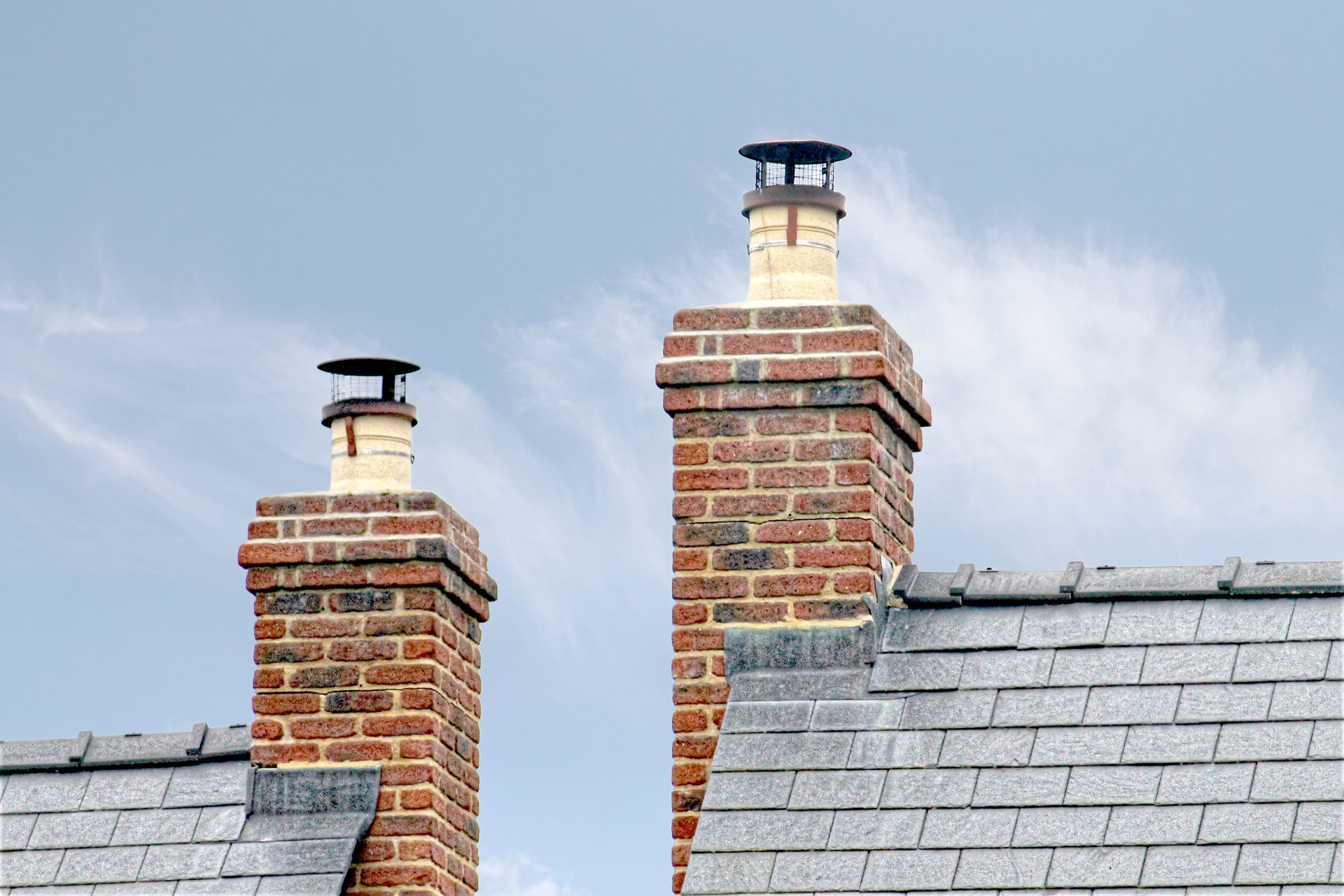
If water enters through damaged flashing, missing chimney caps, or deteriorating masonry, it can eventually reach your home’s interior. Homeowners may notice stains on ceilings or walls, peeling paint, warped wood, or musty odors near the fireplace.
Addressing exterior chimney issues early helps prevent costly interior repairs.
3. Rusted Metal Components
Many chimney systems include metal components such as dampers, chimney caps, fireboxes, and flashing. Constant moisture exposure causes these parts to rust and deteriorate, affecting both performance and safety.
A properly maintained chimney helps preserve these critical components and extends their lifespan.
4. Damaged Chimney Liners
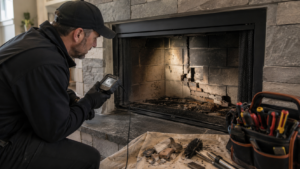
Water can slowly deteriorate clay tile liners and contribute to cracks that reduce the chimney’s ability to safely vent smoke and combustion gases. A damaged liner increases the risk of heat transfer and other safety concerns.
Professional inspections from Chimney Doctors help identify liner issues before they become serious hazards.
5. Mold and Mildew Growth
Persistent moisture creates an ideal environment for mold and mildew inside chimney structures and surrounding building materials. Beyond unpleasant odors, mold growth can contribute to indoor air quality concerns and additional remediation costs.
Keeping moisture out of your chimney is one of the best ways to prevent these problems.
How to Protect Your Chimney
Fortunately, preventing water damage is often straightforward. Homeowners should consider:
- Annual chimney inspections
- Installing or replacing a quality chimney cap
- Waterproofing masonry surfaces
- Repairing cracked mortar promptly
- Maintaining flashing around the chimney
- Scheduling routine maintenance before problems worsen
Small Repairs Today Can Prevent Major Repairs Tomorrow
Water damage rarely improves on its own. Minor cracks and leaks continue to grow with every season, eventually leading to expensive structural repairs or chimney rebuilds.
By partnering with Chimney Doctors for regular inspections and preventative maintenance, homeowners can protect their chimney, extend its lifespan, and avoid many of the costly problems that moisture creates.
Keeping water out of your chimney is one of the smartest investments you can make in the long-term health and safety of your home.